Blockchain Vaccine Verification System
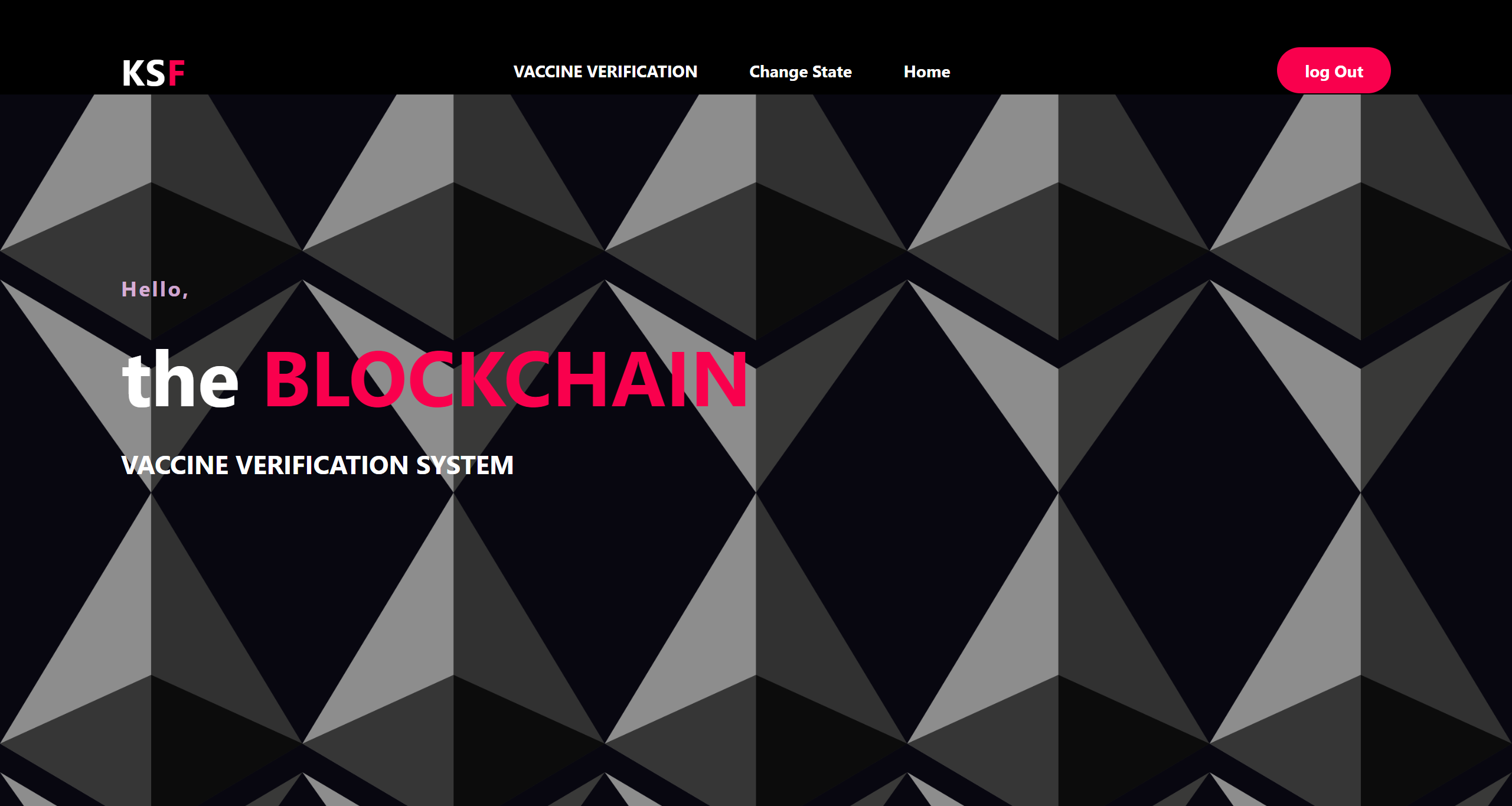
Blockchain Vaccine Verification System
This software system is a web app built on blockchain technology to help users and governments check vaccine status with stronger data authenticity. It was my senior project and won 1st place. The system was designed to support secure validation for vaccine records, track 15M+ vaccines, and improve data access time by 60%.
Vaccine verification is critical to any country’s ability to control the course of the pandemic. A reliable, secure, and accurate verification system gives governments, businesses, schools, and other institutions the ability to assess the safety of indoor and outdoor gatherings and provides real-time statistics on vaccinated populations. Although many countries have developed their own vaccine verification systems, often evolving from previous contact tracing apps, creating a reliable, secure, and accurate system remains a challenge. This is partly due to data storage and retrieval protocols. Another major obstacle is information sharing, especially when considering the importance of vaccine verification systems being accepted across domestic and international borders.
Dr. Tom Frieden, the director of the Centers for Disease Control and Prevention from 2009 to 2017, voiced concerns about the long-term difficulties of having multiple Covid-19 vaccination verification systems. He highlighted issues with user interfaces, validation, data storage, retrieval processes, and security protocols, which make it difficult to quickly and securely verify vaccination status. To address these challenges, he advocates for five essential requirements:
- Accuracy: Utilize a computerized immunization information system, an online record of vaccinations received by people.
- Security and Privacy: Implement proper assurances and safeguards to ensure the security and privacy of everyone’s personal data.
- Alternative Forms of Identity: Allow options to use other forms of identity for unforeseen circumstances, such as paper vaccination records with additional personal verification, like a photo ID.
- Focused Use: The system must only verify vaccination records and avoid adding information about previous tests and results to prevent data clustering.
- Real-Time Accessibility: Ensure the system is accessible in real-time, such as when people are going through airport security.
Blockchain technology provides a practical solution to the challenges of vaccine verification and helps meet the requirements Frieden describes. Due to the decentralized and encrypted nature of blockchain technology, information stored on the blockchain ledger is extremely tough to tamper with, addressing the crucial requirement of ensuring the security and privacy of personal data.
Technologies Used
Frontend
- React
- Axios
- REST APIs
Backend
- Node.js
- Python
- Django
- SQLite
Blockchain
- Blockchain validation
- Ethereum
- Ganache
- Metamask
Challenges and Solutions
Challenges
- Data Security and Privacy: Ensuring the security and privacy of personal health data is paramount. The challenge lies in protecting sensitive information from unauthorized access and breaches.
- Interoperability: Integrating the system with various existing healthcare databases and ensuring compatibility across different platforms and jurisdictions.
- User Adoption: Encouraging users to trust and adopt the new system, especially when dealing with sensitive health information.
- Real-Time Data Access: Providing real-time access to vaccination data while maintaining system performance and reliability.
- Scalability: Ensuring the system can handle a large number of users and transactions, especially during peak times like travel seasons or public health emergencies.
Solutions
- Data Security and Privacy: Implemented blockchain technology to ensure data is encrypted and decentralized, making it extremely difficult to tamper with. Additionally, used secure authentication methods and regular security audits.
- Interoperability: Developed APIs and used standardized data formats to facilitate seamless integration with existing healthcare systems and databases.
- User Adoption: Focused on creating a user-friendly interface and provided clear instructions and support to help users understand and trust the system. Conducted awareness campaigns to highlight the benefits of the system.
- Real-Time Data Access: Utilized efficient data retrieval algorithms and optimized the backend infrastructure to ensure quick and reliable access to data.
- Scalability: Designed the system architecture to be scalable, using cloud services and load balancing techniques to handle increased traffic and ensure consistent performance.
Conclusion
The Blockchain Vaccine Verification System demonstrates how secure validation, thoughtful user experience, and reliable data access can solve a real public-sector problem. It also represents my early focus on building practical applications that combine frontend engineering with secure backend and data workflows.
Collaboration
This project was developed in collaboration with backend developer Mohamed Reda.